
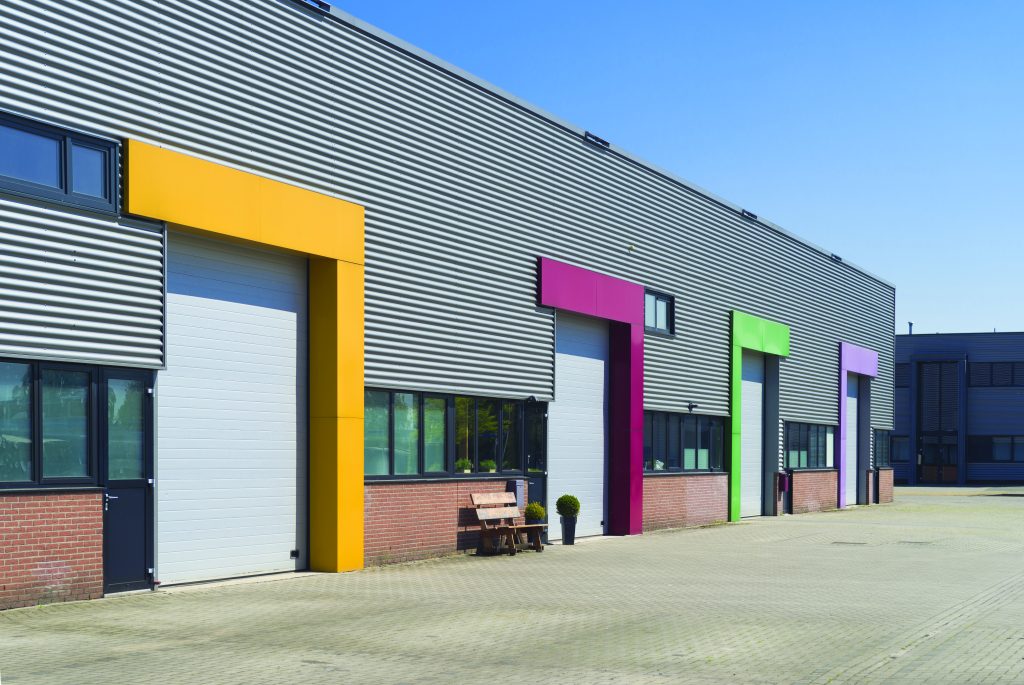
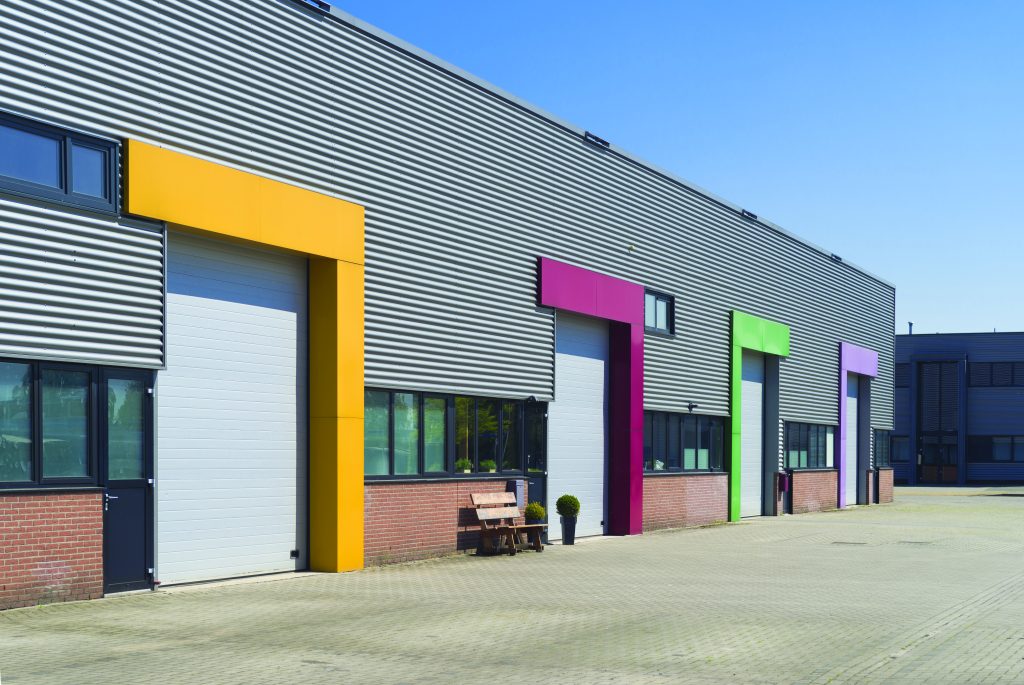
Small to mid-box occupiers are struggling to find industrial and logistics (I&L) space as supply fails to meet demand, a new report from Potter Space in partnership with Savills has concluded.

Jason Rockett, managing director, Potter Space
Small to mid-box, which encompasses space below 100,000 sq ft, accounts for 95% of UK I&L units. The report found that at a national level between 2014 and 2024, demand has been suppressed by 35%. This means that, to meet their needs, businesses would have taken 35% more space if it had been available, equating to 60m sq ft over the last decade, the report said.
It is estimated that meeting this demand could have added £3.3bn in gross value added to the economy.
Jason Rockett, managing director of Potter Space, said: “It is encouraging to see the government acknowledge I&L as an integral part of the economy through the Modern Industrial Strategy and the National Planning Policy Framework.
“However, as our latest ‘BIG Things in SMALL Boxes’ research clearly demonstrates, the government is missing a trick if it does not recognise the potential of the sub-100,000 sq ft I&L sector.
“For years we have championed sub-100,000 sq ft I&L and celebrated its economic contributions and role as an engine for growth, yet it continues to face significant barriers. Our latest report shows that this is not only leaving occupiers struggling for space but also hindering the UK’s prosperity.”
The report identifies the challenges restricting sector growth, including unclear Minimum Energy Efficiency Standards timelines, a strained planning system and spiralling business costs.

Mark Powney, director, planning economics, Savills
Regional analysis shows that suppressed demand is not limited to a particular part of the country. In the South East, annual suppressed demand is at 34%, which equates to an additional 689,000 sq ft of missed occupation each year. The North West could have leased an additional 838,000 sq ft annually if it had been able to meet occupier demand.
The resulting low availability has meant that rents for sub-100,000 sq ft I&L units have increased by 79% on average since 2014, adding significant cost pressures to occupiers.
Mark Powney, director, planning economics at Savills, said: “Recognising suppressed demand strengthens the case for treating I&L as critical national infrastructure. It reinforces the need to support the sub-100,000 sq ft market in requiring local authorities to plan effectively for business needs in their area to support their local economic growth. This includes recognising the particular locational needs of the submarket and realising its importance to supply chains facilitating the government’s Industrial Strategy for a strong and growing British economy.”
Please visit:
Our Sponsor