

The introduction of VAT on school fees has pushed independent education beyond the reach of many families, and with pupil numbers falling, a growing number of private schools have been forced to close.

Sophie Henwood is a partner at Boodle Hatfield
While this marks a significant loss for the sector, it is also creating a pipeline of vacant land and buildings, many in prime locations and with real potential for value creation.
The challenge and opportunity lies in the diversity of private school buildings, which range from historic manor houses in extensive grounds to modern, functional buildings in urban areas that could be mistaken for offices. Some sites include boarding accommodation, sports facilities and chapels; others are compact, single-use buildings.
This variety means there is no one-size-fits-all approach to repurposing. There may be scope for conversion to flats, hotels, life sciences space, offices, care facilities or wedding venues, or a mixed-use approach may unlock the greatest value. Ultimately, viability hinges on location, the nature of the building and the extent of physical changes required.
Assuming a building with potential has been identified, what should investors consider? The starting point is understanding what is being acquired. Not all schools own their buildings outright. Where the interest is leasehold, the lease terms are critical. A long lease at nominal ground rent is a different proposition to a short-term, rack-rent lease.
Equally important are controls imposed by the landlord. Restrictions on assignment, change of use and alterations can affect the ability to redevelop the site. If there are absolute prohibitions, investors should factor in the need to negotiate consent, often at a premium.
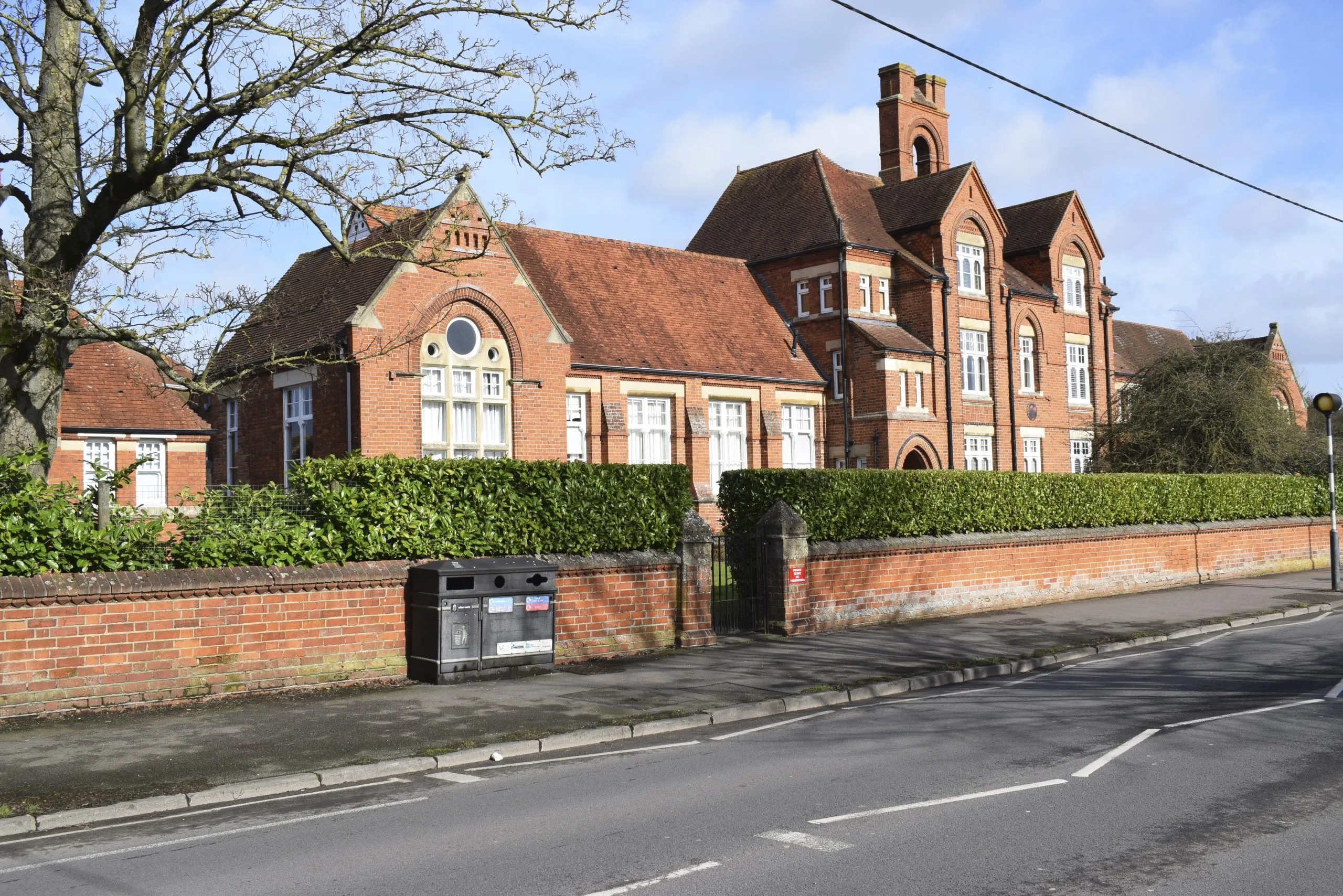
School’s out: many former private school buildings are being converted to residential use
Planning is typically the first big hurdle. A change from educational use to residential, hospitality or commercial use usually requires planning permission. Early pre-application engagement with the planning authority is essential to understand policy direction and identify constraints.
Investors should also consider site-specific sensitivities. Is the property listed or in a conservation area? If so, additional consents will be required and the scope for alteration may be limited. Early engagement with local stakeholders can also be critical, particularly where proposals could affect traffic, noise or local amenities.
A detailed title review is also critical. Many school sites are subject to historic restrictive covenants that may limit use or restrict development. Where such covenants exist, identifying the party with the benefit is key. If that party is known and a breach is contemplated, indemnity insurance may be available. In those circumstances, a negotiated release, often involving a payment, may be required.
Access and servicing are fundamental to deliverability. If a site does not front on to a public highway, investors must establish what rights exist over intervening land. These rights may be limited or tied to the existing educational use. The same applies to rights for water, drainage, electricity or telecoms crossing third-party land, which may need to be enhanced to support a change of use or intensification. If adequate rights are not in place, investors should factor in the cost and timing needed to negotiate new arrangements.
Overlaying all these considerations is the core question: is the scheme viable? Heritage constraints, planning obligations, covenant releases and infrastructure demands can increase costs. In older buildings, energy performance improvements may also require capital expenditure.
Deal structure is equally important. An unconditional acquisition exposes the buyer to planning risk, whereas conditional contracts or option arrangements can mitigate that risk, but at the cost of pricing or competitiveness.
The common theme is that each site is unique. While the closure of private schools is a challenging development for the sector, it is also bringing forward assets that are rarely available on the open market.
Sophie Henwood is a partner at Boodle Hatfield
Please visit:
Our Sponsor