

Property experts have warned against rumoured plans from the Treasury to introduce a one-year rent freeze for private homes in response to the financial impacts of the Iran war, saying it risks “distorting the market and undermining investment”.
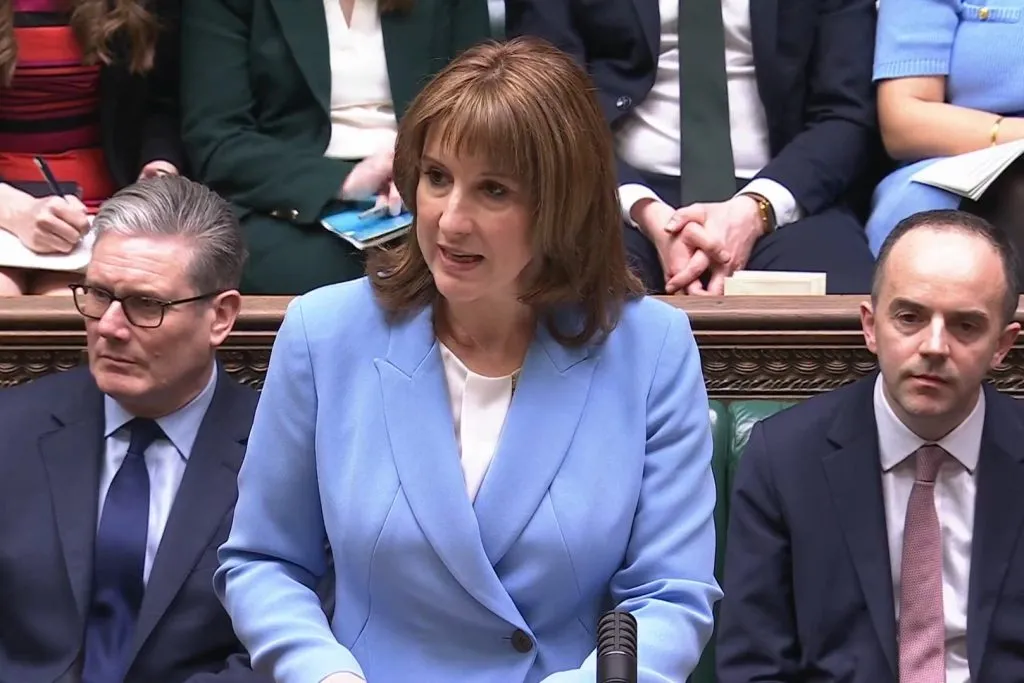
It has been reported that chancellor Rachel Reeves is considering introducing a short-term rent freeze in England to ease the financial impact of war in the Middle East on individual households.
According to sources informed on government discussions, speaking with The Guardian, ministers are concerned about the war’s impact on mortgages and household budgets and are willing to consider “exceptional measures”.
This comes after housing minister Matthew Pennycook earlier this month confirmed the government would not support the introduction of rent controls, following the Green Party’s push to do so ahead of the local elections next week.
Pennycook said: “There is sufficient international evidence from countries such as Sweden and Germany and from individual cities such as San Francisco, as well as the recent Scottish experience, to attest to the potential detrimental impacts of rent controls on tenants. Our position remains that we will not introduce them.”
Brian Berry, chief executive of the Federation of Master Builders, said the introduction was “hopefully unlikely” as it would “further damage the private rented sector [PRS] at a time when we need more homes for rent”.
He added that the move would be “another example of the government not properly aligned” on policy in light of Pennycook’s pledge.
“It seems like the chancellor has been tempted to try to raise her popularity on rent control, without thinking it through,” Berry said. “It would just be another signal not to invest in the UK market.
“To put in a rent freeze would just damage renters as much as it would landlords, because there’d be fewer homes and would seriously undermine the PRS at a time when it’s needed most.”
Timothy Douglas, head of policy and campaigns at Propertymark, agreed, adding that it was “alarming to hear reports that the chancellor is considering additional rent control measures, particularly when housing ministers have recently publicly denounced their role”.
“Evidence from across the UK, particularly in Scotland, shows rent controls restrict supply, deter investment and reduce choice for tenants,” he said.
“If the UK government is serious about improving affordability, it must focus on increasing housing supply and supporting long-term investment in the PRS, rather than introducing measures that will ultimately make it harder for renters to find a home.”
According to Rico Wojtulewicz, director of policy and national insight at the National Federation of Builders, rents usually rise because “demand outstrips supply”. He added that Reeves should instead “go to war on Nimbys and use the next year to build tens of thousands of social homes”.
“Rents also rise when regulation increases landlord costs, such as by 2030 requiring all private rentals to be at least EPC ‘C’,” Wojtulewicz said. “Therefore, while honourable, the rumoured rent freezes may end up reducing the number of homes available for rent in 2030 because landlords will not be able to afford these energy efficiency works.”
However, Clara Collingwood, director at the Renters’ Reform Coalition, welcomed the reports, but warned “making renting more affordable will require sustained action”.
“In the longer term the government should consider capping in-tenancy rent increases, so rents can’t rise faster than inflation or wage growth.”
The Treasury has been contacted for comment.
Please visit:
Our Sponsor