

Industry experts have welcomed the publication of the Future Homes Standard as providing greater certainty for housebuilders, but warned it could lumber smaller developers with insurmountable viability hurdles.
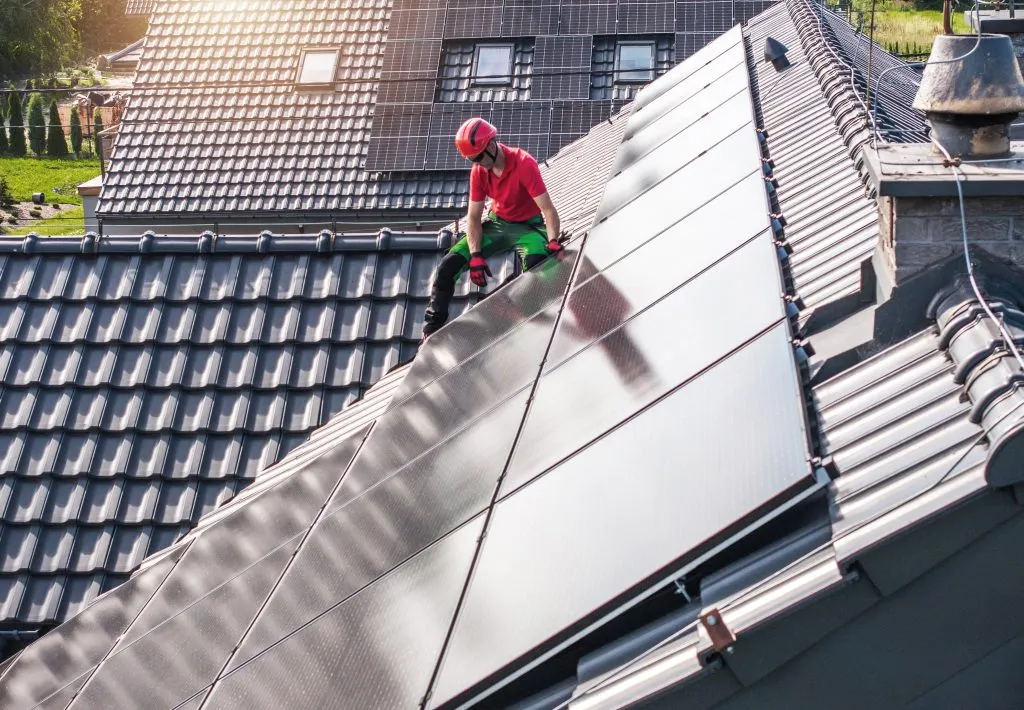
The long-awaited standard was published yesterday (24 March), setting out guidance for all new build homes to include solar panels and heat pumps, or be connected to a heat network, by 2028.
Under the standard, originally set to be launched last year, homes built from 2028 will produce 75% less greenhouse gas emissions than those built to existing 2013 standards. The government also plans to roll out ‘plug-in’ solar panels.
Lucy Haynes, partner in the residential development team at law firm Shakespeare Martineau, said the measures, while well intentioned, “unnecessarily piles the pressure on housebuilders at an already challenging time”.
Haynes argued that “adding more requirements and red tape” will inflate housebuilding costs which could mean “pretty soon, many developments will become unviable”.
She added: “Unfortunately, SME housebuilders will be hit the hardest, as they will have to invest in advice to wade through the regulation to ensure they comply. This is a classic case of good policy, bad timing.”
David Crosthwaite, chief economist at BCIS, said that while larger developers will be “better placed to absorb additional capital costs”, SME housebuilders may find it more difficult, particularly in a market “sensitive to changing economic conditions and consumer demand”.
He added: “Achieving this balance will be challenging. “Flexibilities, such as solar exemptions for higher-risk buildings, may provide some relief, but protecting business margins will require coordinated action to ease cost pressures across the supply chain.”
Deepika Singhal, head of ESG and sustainability at built environment consultancy Hollis, argued that a challenging transition period “should not be an excuse for delay”.
Singhal added: “The direction is right, but the sector can no longer afford to treat emissions from buildings as someone else’s problem if net zero by 2050 is going to mean anything. Designers, developers and contractors need to get to grips with the new rules now for this to be effective.”
Jess Ralston, head of energy at the Energy and Climate Intelligence Unit, said the standard’s publication was “finally some good news for new build owners”.
But he warned that pushing the measures back to 2028 creates “an energy security and therefore a national security issue”. He added: “Housebuilders have spent years pushing back against standards to stop homes wasting so much energy and at a time of another gas price crisis, this takes on a whole new perspective.”
Anna Clarke, director of policy and public affairs at the Housing Forum, said many councils, housing associations and housebuilders have “already started building off-gas homes targeted at the Future Homes Standard”.
She added: “The long delays in publishing the standard have caused uncertainty over the details of what will be required and when. Now that we know the detail and timelines, the housing sector can plan ahead with certainty, designing, planning and building new homes for a low-carbon future.”
Please visit:
Our Sponsor