
Headline office rents increased across 10 South East and Greater London markets during the second quarter of 2026 as occupier demand concentrated on the region’s grade-A buildings, according to Knight Frank’s latest report.

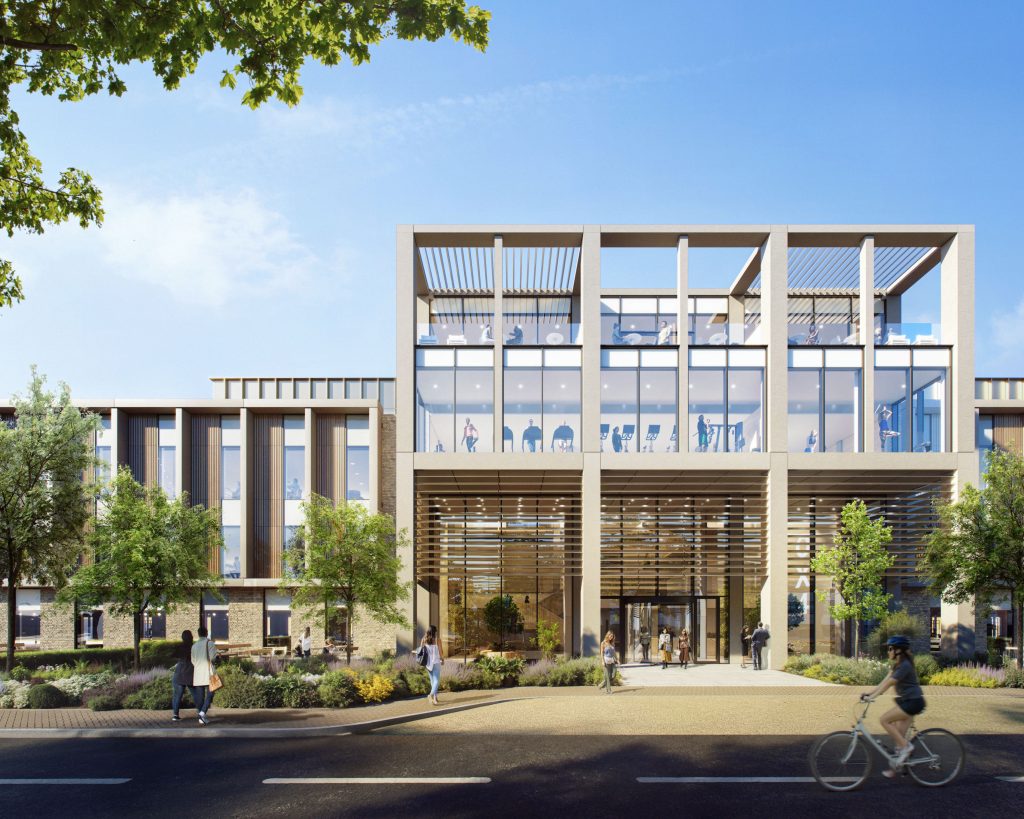
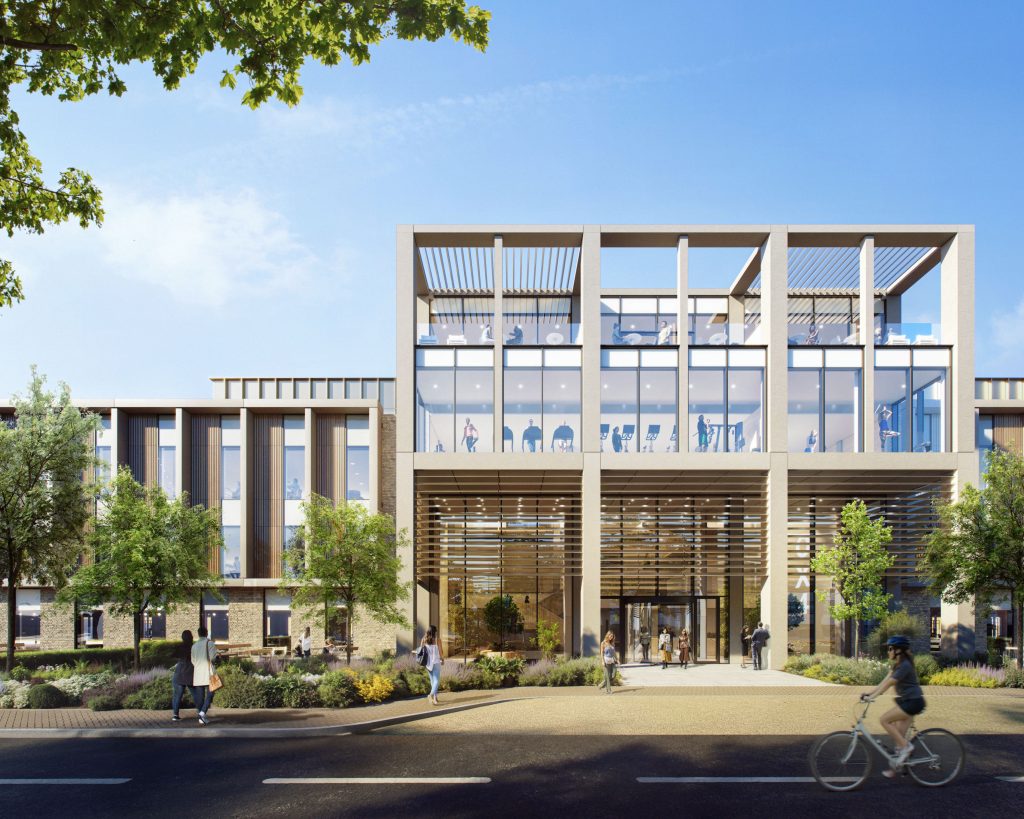
Ascent building, Oxford
The agency said the gulf between prime and secondary buildings continued to widen during the first half of the year, with new or newly refurbished buildings accounting for 78% of H1 take-up.
Grade-B stock saw overall vacancy increase from 10.6% to 11%, while grade-A vacancy fell to just 1.7%.
Active occupier requirements across the South East and Greater London stood at 4.5m sq ft at the end of Q2, more than three times the 1.3m sq ft currently under construction across 16 schemes in the region.
Development in Cambridge and west London account for 73.4% of all speculative space under construction, with little or no new development in many established office markets.
This imbalance is supporting rental growth, the agency said, with headline rents increasing across most markets and led by Oxford, where city centre rents rose by 11.5% to £72.50/sq ft.
Office take-up in the region totalled 620,292 in Q2, which was down 9.4% on the previous quarter and 21.2% on the same period in 2025.
The number of transactions remained broadly unchanged, with 75 deals in Q2 and 77 in Q1 – but just 19 leases exceeded 10,000 sq ft, suggesting smaller transaction sizes were to blame for the lower level of take-up.
Roddy Abram, head of South East and Greater London offices at Knight Frank, said: “Leasing volumes have moderated from the particularly strong levels recorded last year, but the underlying occupier market remains active with businesses jostling for the best space in an undersupplied market.
“The headline vacancy rate also masks a market moving in two different directions. The South East is not short of offices overall, but it is increasingly short of the offices occupiers actually want.”
He added: “This is supporting rental growth in the best buildings while increasing the pressure on secondary stock. Owners of older offices without a credible route to meeting modern occupier requirements will increasingly need to invest, reposition or consider alternative uses.
“Developers who are delivering new stock to the market now are reaping the benefits by achieving record rents with little competition.”
Knight Frank said total take-up for the first half of 2026 now stood at 1.3m sq ft, close to the five-year average of circa 1.4m sq ft.
The largest deal of the quarter was 3M leasing 49,683 sq ft at Ascent in Oxford, as well as Informa’s 24,259 sq ft letting at Cantay House in Oxford.
Meanwhile, investment volumes remained subdued in the first half, with a total of £248m of offices trading during Q2, 3% more than in Q1 but 28% below the five-year quarterly average.
The largest transaction was British Land’s £150m acquisition of Life Science REIT.
However, at the end of Q2, £440m of office assets had exchanged or were under offer, with a further £551m being actively marketed. Together, this represents a pipeline of £991m, more than double the value transacted during H1.
Henry Wyld, partner, national offices capital markets, at Knight Frank, said: “Investment volumes remain below historic levels, but there are early signs that liquidity is improving. Deal numbers are relatively close to longer-term norms, average lot sizes have increased and almost £1bn of office assets are now being marketed, under offer or exchanged.”
Please visit:
Our Sponsor