
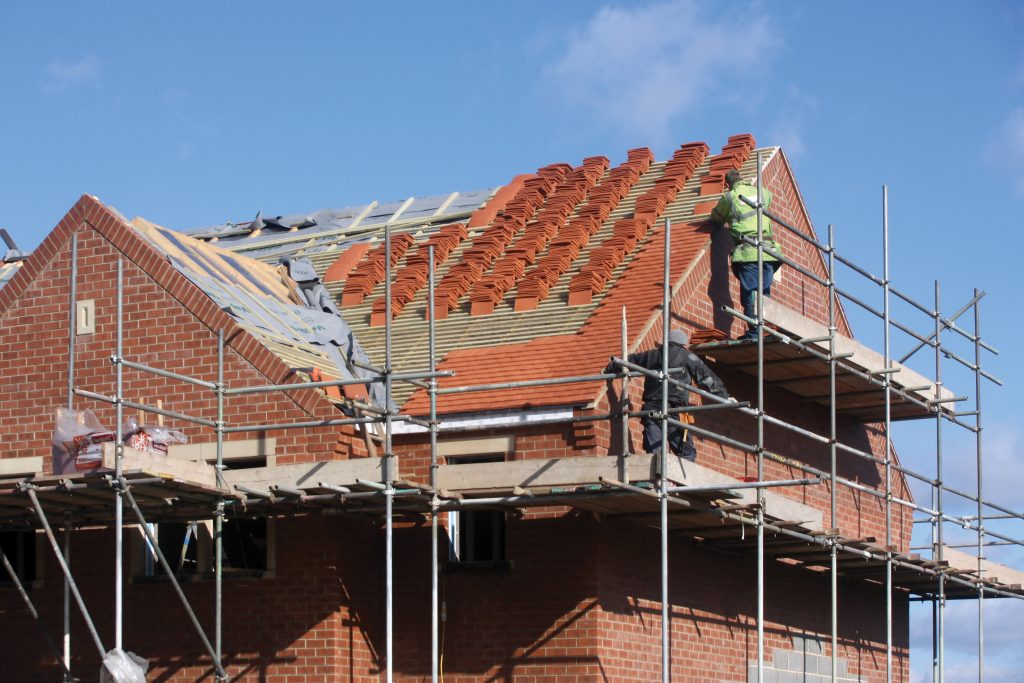

Last month, the final phase of Get Living’s £1.5bn Elephant and Castle redevelopment in south London secured approval.

Ilana Sarner, head of leasing for Get Living’s The Elephant
Alongside more than 1,300 new homes, the site’s masterplan includes the £500m Elephant retail destination, which is set to open later in the year, with retailers moving in this summer.
The project’s head of leasing Ilana Sarner tells Property Week about the progress of the retail plans and the up-and-coming trends in retail-led regeneration.
How has it been getting The Elephant’s retail frontage ready?
It has been a whirlwind. Some brilliant work had been done by all the teams. What’s fascinating is to be able to work on a truly mixed-use scheme. So having LCC [London College of Communication] as the major anchor to this scheme allows people to understand that we’re of a calibre similar to the King’s Cross redevelopment.
It’s also very interesting to see how all the different areas knit together. So, all the residential development, which is obviously Get Living’s bread and butter. And then bringing in this new retail element, which is something really new for Get Living as a company. Evidently, places such as East Village [in Stratford, east London] have quite a big commercial offering, but not to the scale of what we’re producing here.
How are you bringing retailers on board?
When I joined [in March 2025], there was still a need to shift the narrative. People still hadn’t quite understood what the new Elephant and Castle was going to be. For example, [fashion retailer] Oliver Bonas might think ‘do we need to be at Elephant and Castle?’ They remember it as an old disused shopping centre. So, it took quite a while to get this narrative changed. But as soon as the brands were on site and understood the retail offering, as well as the large and very exciting footfall we have, the opportunity became quite prevalent.
What are you doing to ensure local retailers are not left out?
There has been a huge effort to work with the community, and that is ongoing. It doesn’t stop when we open our doors. We have a team internally that has been working bit by bit at the grassroot level, connecting with all the local retailers, making sure they understand what’s coming and making sure they can be a part of this.
There’s an application process for our affordable retail options. We’ve earmarked certain units within the scheme. And we’re very careful, working together with the local council and with TfL [Transport for London] to ensure we can include them as much as possible in the new offering. There are also going to be certain areas of local traders that are going to be part of the scheme, and we’re supporting them to make sure they can continue to trade.
We will also be working with lots of local artists. There’ll be activations. We’ve got market areas that we’re planning. We really want to make sure everyone is welcome and everyone is included.
Why do you believe urban regeneration can succeed given high streets are struggling?
Retailers understand the power of the mixed-use scheme and transport hubs as well. The most important thing for a retailer is footfall, footfall, footfall. They can calculate their sales, as long as they know the traffic is going to be there. We have an advantage in that we can give the retailers very detailed demographics about who’s here, who we think is going to come here. We also know who’s going to come because we’re building the flats where they’re going to be living. When you feed retailers this information, along with the fact there’ll be a landlord creating a curated offering to make sure there’s a constant flow of footfall, that gives them that added insurance.
What new trends are you seeing in retail-led urban regeneration?
One of the biggest changes is polarisation. You can’t really sit in the middle anymore – you’re either a strong premium retailer or you’re a strong entry-point retailer. Consumers are expecting more experiential retail. If your fit-out and service are not up to level, if it’s not visually tactile or sensorially stimulating, you’re out. There’s no reason to come to physical retail if this doesn’t exist. So, the level of design and concept these brands need to bring to the table is the key to survival.
We’re very specific that we want brands to be bold, experiential and eclectic, and we’ve turned topsy-turvy on what a normal landlord would do, where they’re quite restrictive. We want the brands to express, and we hope they do. Sometimes they’re actually a bit boring, and we have to really rev them up.
The second point is Gen Z is not drinking. They’re not dancing that much anymore, either. They socialise at the gym. So, fitness and wellness, but done in a really inclusive and tailored fashion is essential for new hubs. And traditionally, in a mixed-use scheme, the gym would be the last thing that you would think about.
Please visit:
Our Sponsor