
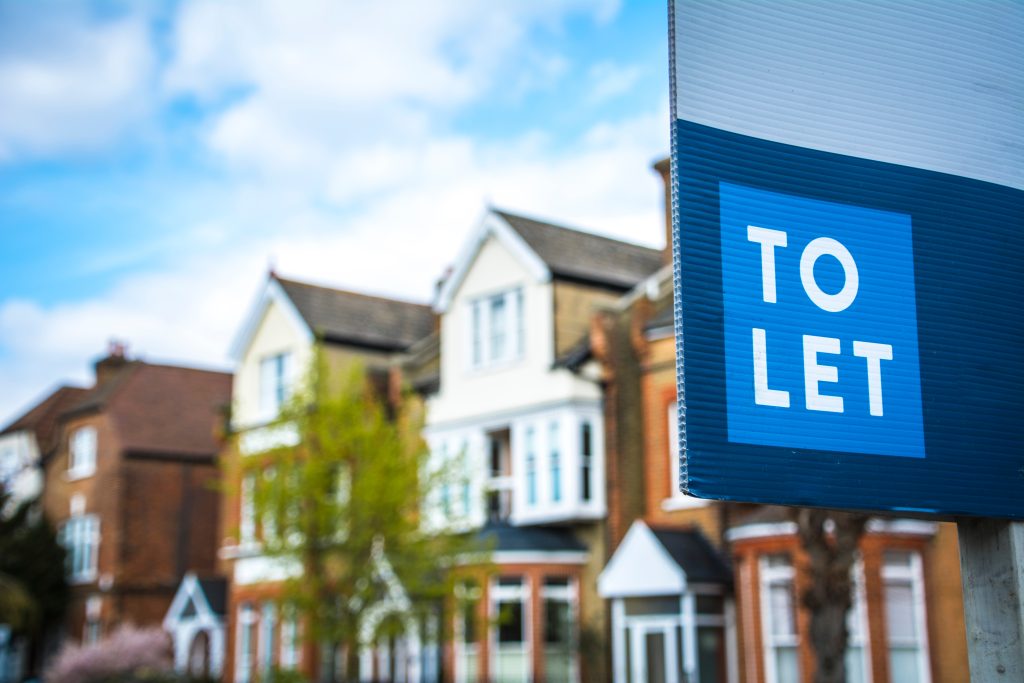

New research from Savills has revealed that the value of the UK’s private rented sector (PRS) has had “its largest decline this century”, dropping £48bn last year as landlords fled the market.
According to its latest analysis on the value of the UK’s housing stock, Savills reveals that the PRS is the only housing sector to have contracted over the past three years, decreasing by 5.1% in value since 2022.
This in turn means the value of the UK’s PRS stock has fallen by a total of £79bn since 2022, with an increase in house prices over that time period failing to offset the loss of stock. The UK PRS was valued at £1,556bn in 2022, dropping to £1,477bn last year.
Savills attributed the value drop to private landlords releasing their portfolios and leaving the market, driven by recent regulatory and market challenges.
Lucian Cook, head of residential research at Savills, said ongoing changes in “tenancy legislation, higher operating costs and increased mortgage rates have prompted many private landlords to reassess their portfolios”.
“Larger landlords, better equipped to absorb added costs and requirements, have taken on some of this stock, contributing to a more professionalised PRS,” he added. “But others have been sold to owner-occupiers, reducing the sector’s overall size.”
While the value of the UK’s PRS stock has dropped, Savills said the UK’s total housing value increased 3.8% between 2022 and 2025, rising by approximately £336bn from £8,842bn in 2022 to £9,177bn last year.
Specifically, between 2022 and 2025, the value of the UK’s social housing stock rose 10.6% from £400bn to £443bn, while privately owned UK housing rose 3.5% from £8,441 to £8,735bn.
Meanwhile, the value of the UK’s mortgage-free owner-occupied homes rose 4.2% from £3,316bn to £3,455bn, while the value of owner-occupied (subject to a mortgage) homes rose 6.7% from £2,935bn to £3,455bn.
Cook added: “With more former PRS stock available to buy, first-time-buyer activity has been relatively strong in the context of post-credit-crunch levels. This has been supported by the less stringent application of mortgage regulations, falling mortgage rates and rising wages.
“But there are still significant barriers to owning a home, and part of the growth in mortgaged home ownership is down to people taking longer to pay off their mortgage debt. The reduction in homes available to rent will also continue to push up rents, posing challenges to those who are struggling to save for a deposit.”
Please visit:
Our Sponsor