
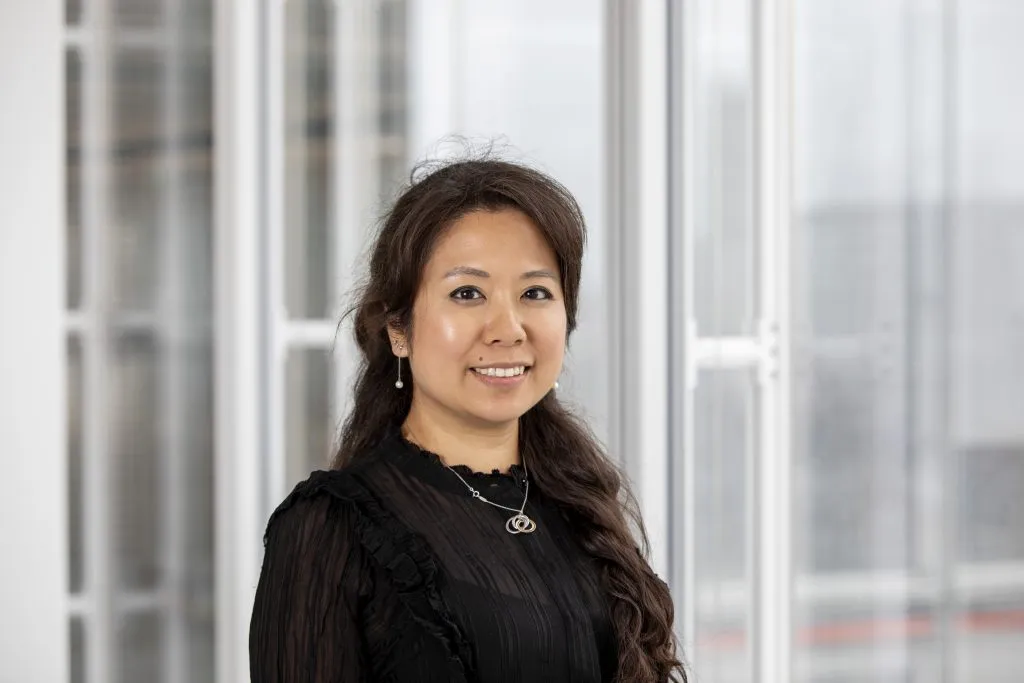
Jane Wakiwaka, head of sustainability at Real Estate Management and board director of the Better Buildings Partnership, says International Women’s Day offers a vital moment for the property sector to reflect – not only on progress made, but on the potential ahead.
Jane Wakiwaka
As head of sustainability at Real Estate Management (REM), which manages some of London’s most prestigious assets including The Shard, my passion for a sustainable built environment is deeply personal. For me, sustainability extends far beyond energy ratings and carbon metrics. It is fundamentally about people and, critically, about ensuring the built environment truly serves everyone.
There’s a common misconception that sustainability is primarily about environmental impact. This narrow view risks overlooking the profound social dimension within environmental, social and governance (ESG). We cannot effectively address one without the other. My own journey, coming into real estate without a traditional property background, highlights the incredible opportunities this sector presents, particularly when we embrace diversity in all its forms.
This International Women’s Day, I’m reflecting on how our industry can foster a truly inclusive future by rethinking how we engage with talent, communities and the design of our spaces.
Building diverse talent and future leaders
One critical area is apprenticeships. The green economy faces a massive shortage of skilled labour across conservation, refurbishment and building management. This presents a huge opportunity to attract diverse talent, including more young women, into meaningful, long-term careers.
At The Shard, we work closely with our supply chain to offer apprenticeship opportunities. Apprentices are critical to implementing sustainable practices on the ground.
Our engagement with local communities and schools is another powerful lever. We recently invited local schoolchildren studying tall buildings to explore our operational requirements and meet our specialists. The aim was to demystify careers in property and sustainability, showing them the vast, exciting opportunities that exist beyond traditional perceptions.
When I was at school, roles like ‘head of sustainability’ or ‘chief sustainability officer’ simply didn’t exist. The sector is rapidly evolving, and the jobs of today will undoubtedly be different tomorrow. This underscores a crucial question: how do we equip the younger generation to be resilient and work with that constant change? Ensuring access to places like The Shard, where they can see these evolving roles in action, helps foster that adaptability.
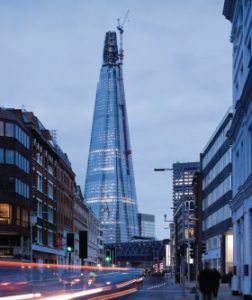
The Shard takes a holistic approach to ESG
Designing for every lived experience
My own lived experience has profoundly shaped my views on accessibility and inclusion. Walking around with a buggy as a new mother, I suddenly saw the built environment through a different lens. It can be daunting and challenging to navigate, even when the impact is temporary.
London Bridge station, one of the most accessible transport hubs in the world, demonstrates what is possible. The wider London Bridge area itself has been transformed in recent years by a £6bn redevelopment of its rail station and the surrounding Shard Quarter, becoming a crucial, well-connected transport hub and a rapidly growing business district in Southwark.
As ‘curators of place’, we have a profound responsibility to create spaces that don’t just comply with regulations but truly create a seamless experience for everyone – physically, emotionally and socially. Designing for a wheelchair user often means designing for a parent with a pram, or someone with a temporary injury. Inclusive design benefits everyone.
Championing social sustainability at industry level
Beyond The Shard, it is great to be able to champion this holistic view of social sustainability at an industry level through the Better Buildings Partnership (BBP), where I am privileged to chair the Owner Occupier Forum. The BBP’s Green Lease Toolkit, for example, shows the expansion of the agenda and addresses issues beyond environmental sustainability. By working in partnership, this allows us to collaboratively explore what social impact truly means within the built environment, spanning everything from physical accessibility and emotional wellbeing to employment opportunities, local engagement and supporting apprenticeships.
We operate in one of the most multicultural cities in the world, and we should be proud to drive and celebrate this diversity in all its forms. But we must also acknowledge the complex, overlapping characteristics of diversity and the intersectionality of gender, ethnicity, disability and socioeconomic background. There is no one-size-fits-all solution, and that is precisely the exciting challenge and opportunity before us.
This International Women’s Day, my message to the property industry is clear: think outside your box. Challenge the status quo. Sustainable buildings are not merely about environmental metrics; they are about fostering diverse and inclusive environments where every person, regardless of their background or identity, feels respected, included and empowered to contribute.
It’s about listening, respecting lived experiences and equipping the next generation – whether they dream of looking after worms or designing the cities of the future – with the resilience and skills to thrive in a constantly evolving world. That is true sustainability.
Please visit:
Our Sponsor